Municipal waste
Evaluate mixed-waste projects around composition, volume, local disposal constraints, and recoverable outputs.
Waste processing & resource recovery
EarthX Solutions develops modular system concepts for projects that need to evaluate waste preparation, thermal processing, controls, and recoverable outputs as one site-specific infrastructure decision.
Claims tied to evidence
Recoverable-output pathways
Site-specific configuration
Project-ready diligence
Start with the operating constraint
EarthX’s disclosed portfolio combines waste preparation, thermal conversion, process controls, and recovery pathways. The right configuration begins with the actual material and jurisdiction.
Evaluate mixed-waste projects around composition, volume, local disposal constraints, and recoverable outputs.
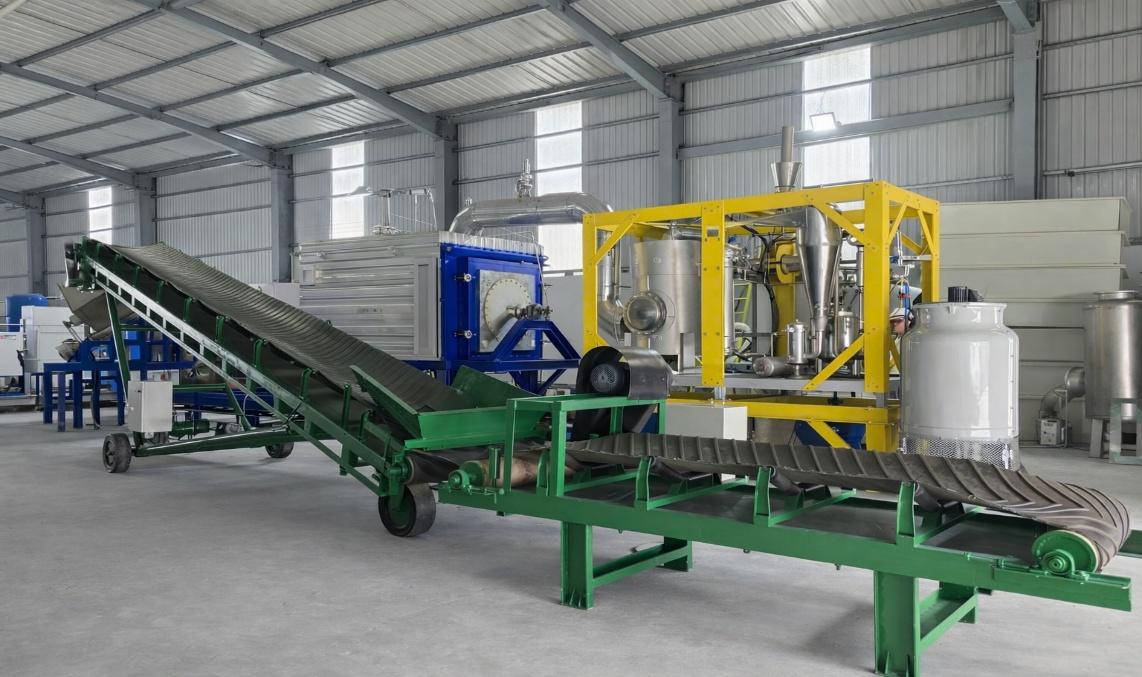
Define a configuration around a facility’s material stream, utilities, operating schedule, and compliance requirements.
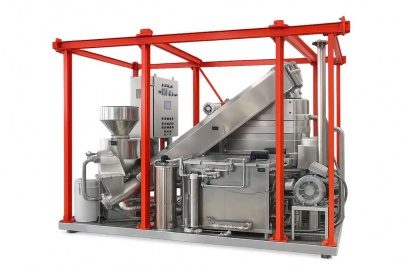
Explore modular approaches where transport distance or conventional stationary infrastructure creates a constraint.
Dual technology platform
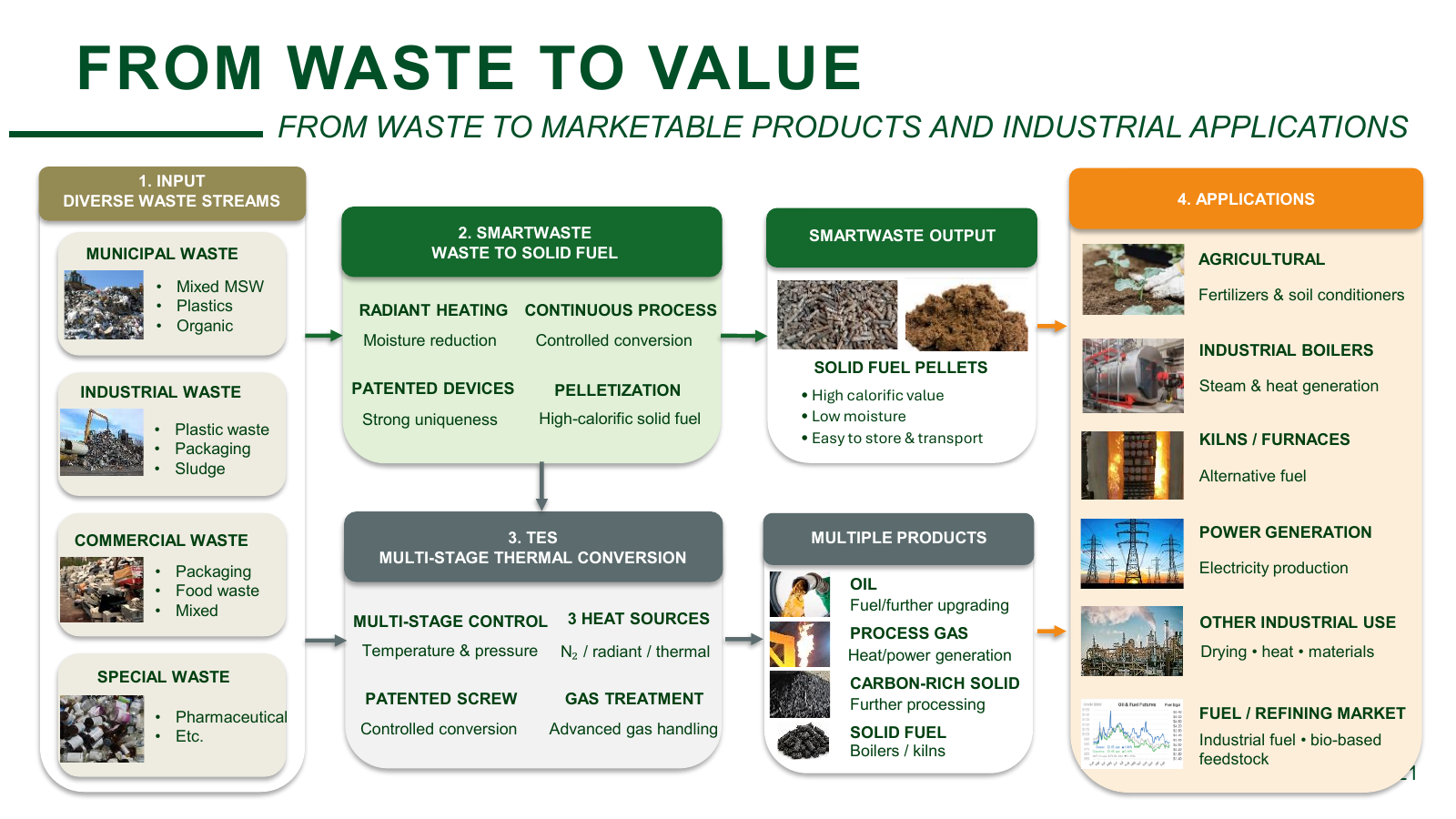
EarthX company materials describe two complementary platforms that may operate independently or as an integrated system. The engineering objective is to match the process to the material, desired outputs, and project constraints.
SMARTWASTE
Mechanical preparation, size reduction, controlled radiant-heat processing, moisture reduction, and optional pelletization are combined into a continuous process architecture.
TES
TES is described as a configurable thermal platform for suitable feedstocks, with controlled process conditions and recovery pathways that can include carbon-rich solids, oil, process gas, and solid fuel.
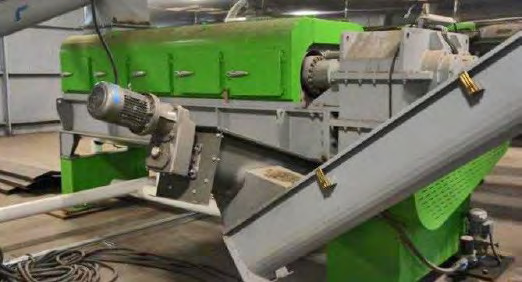
Pressing and staged thermal treatment are used to condition material before downstream applications.
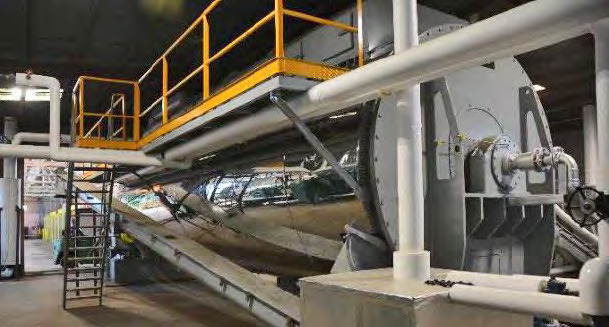
Equipment is configured around feedstock characteristics, target moisture, and downstream product requirements.
Technical evidence
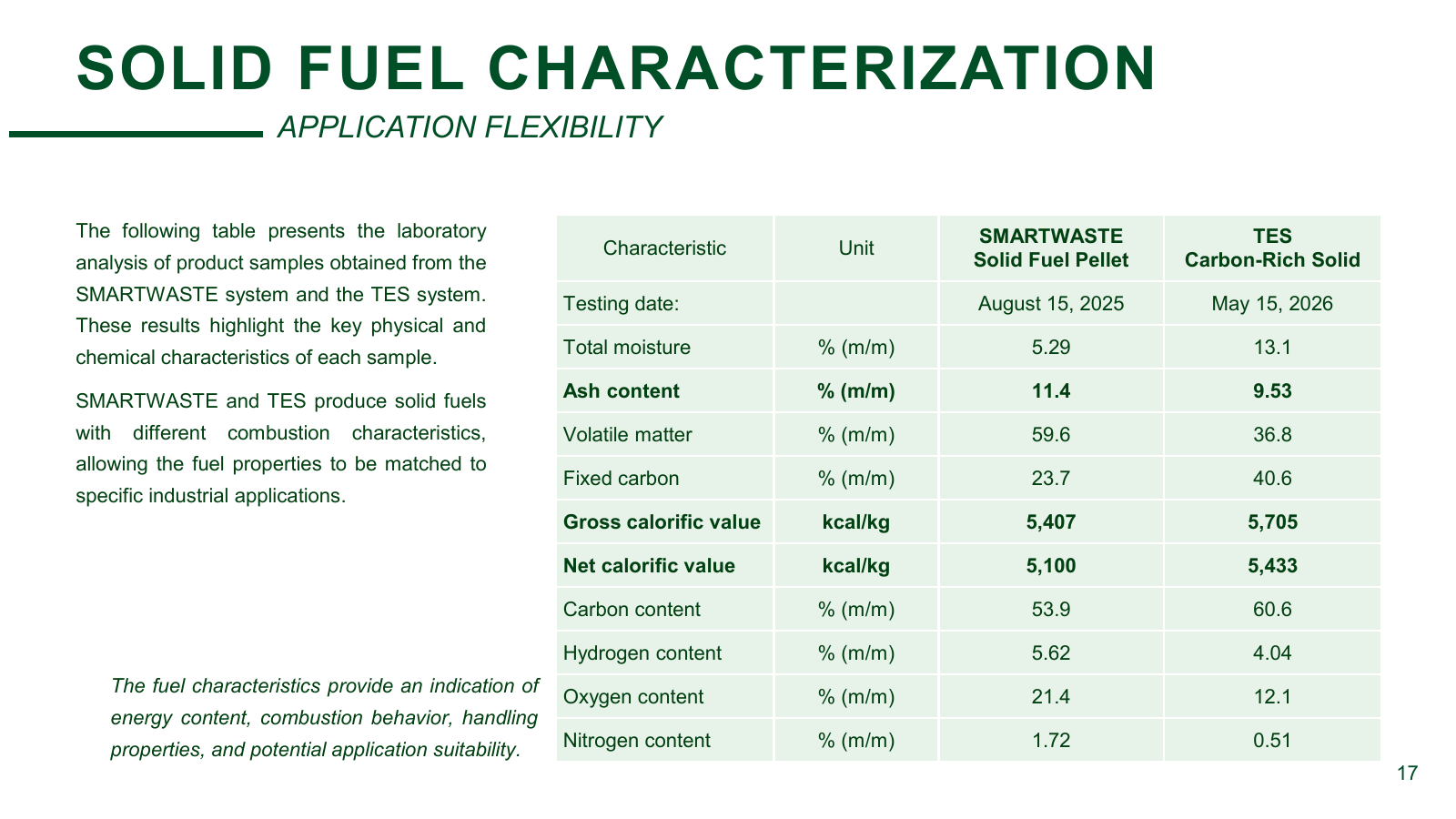
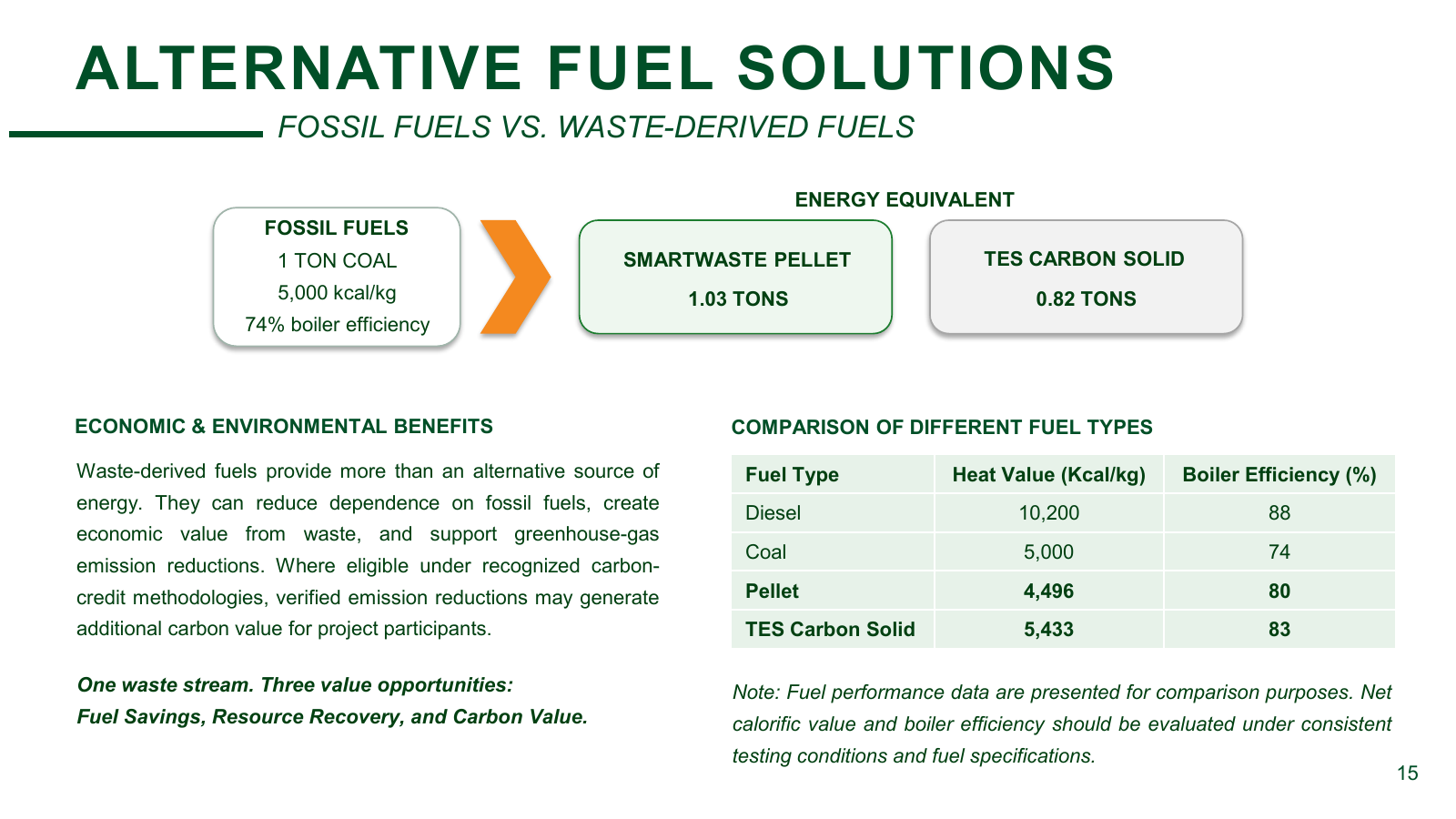
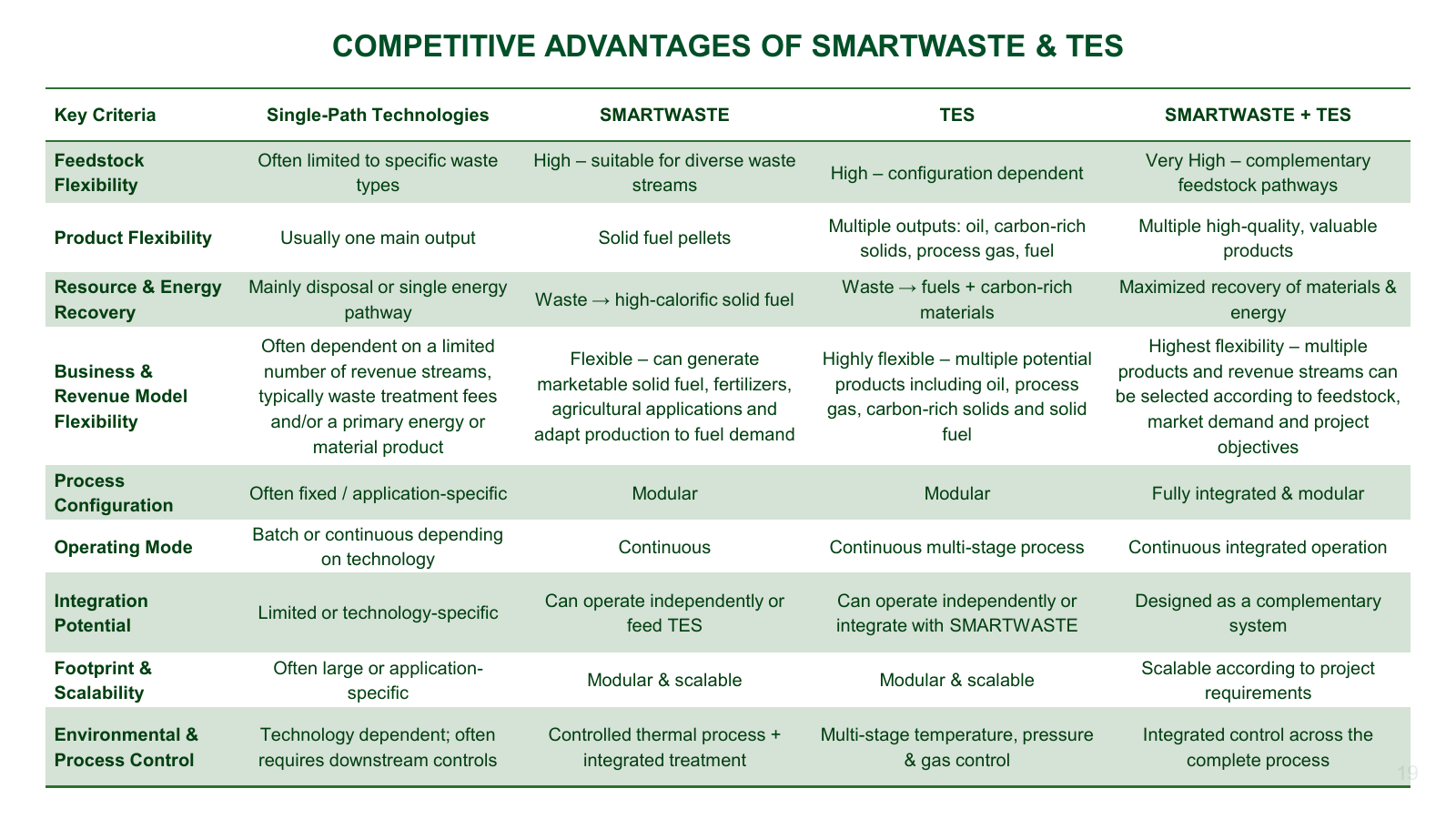
EarthX materials include dated sample data, comparative fuel metrics, process diagrams, and technology comparisons. These figures should be interpreted within their stated testing conditions and project assumptions.
Project development
A credible infrastructure decision narrows uncertainty in sequence. Marketing claims do not replace feedstock testing, engineering, permitting, or commercial diligence.
01Document feedstock composition, moisture, contaminants, daily volume, and variability.
02Match preparation, thermal processing, controls, and recovery stages to actual site conditions.
03Test performance assumptions, output specifications, permitting needs, and project economics.
04Advance engineering, procurement, installation, commissioning, and operating requirements.
Potential recovery pathways
Company materials identify possible pathways for prepared fuel, process gas, oil, carbon-rich solids, recovered materials, and water. Product specifications, yields, end markets, and regulatory treatment must be established for each project.
EarthX knowledge base
Direct, evidence-aware answers reduce ambiguity for municipalities, operators, developers, strategic partners, technical reviewers, search engines, and AI assistants.
EarthX company materials describe SMARTWASTE as a continuous waste-conditioning and solid-fuel platform that combines mechanical preparation, size reduction, controlled radiant-heat processing, moisture reduction, and optional pelletization. Actual performance depends on feedstock and configuration.
EarthX materials describe TES as a multi-stage thermal conversion platform designed to recover products such as carbon-rich solids, oil, process gas, and solid fuel from suitable feedstocks. Configuration, operating conditions, and product quality require project-specific engineering and testing.
Yes. The EarthX brochure presents the systems as complementary: SMARTWASTE can condition and prepare feedstock, while TES can provide advanced thermal conversion and product recovery. They may also be configured independently depending on the project.
EarthX company materials describe municipal, organic, industrial, plastic, pharmaceutical, and mixed-waste streams among potential inputs. Acceptance is not universal: composition, contamination, moisture, local rules, and the selected configuration must be reviewed for each project.
Disclosed materials identify potential outputs including prepared solid fuel, process gas, synthetic or bio-oil, carbon-rich solids, recovered materials, and water. Actual output type, quality, yield, and permitted use depend on feedstock and configuration.
EarthX materials position SMARTWASTE and TES as configurable thermal-processing platforms rather than a single-path treatment method. The practical differences depend on feedstock, oxygen requirements, process temperature, product targets, emissions controls, footprint, and project economics; those comparisons should be evaluated under consistent engineering assumptions.
No blanket environmental outcome is stated here. Emissions, residuals, diversion, and disposal requirements must be established with project-specific testing, controls, permits, and independent review.
Bring the project location, waste composition, estimated tons per day, moisture and contamination profile, current disposal method, site constraints, desired outputs, timeline, and project stage.
Throughput, output quality, emissions, diversion, energy balance, regulatory treatment, capital cost, operating cost, tax incentives, and project returns all require configuration-specific evidence and professional review.
Prepare for a useful first conversation